
Interesting For You
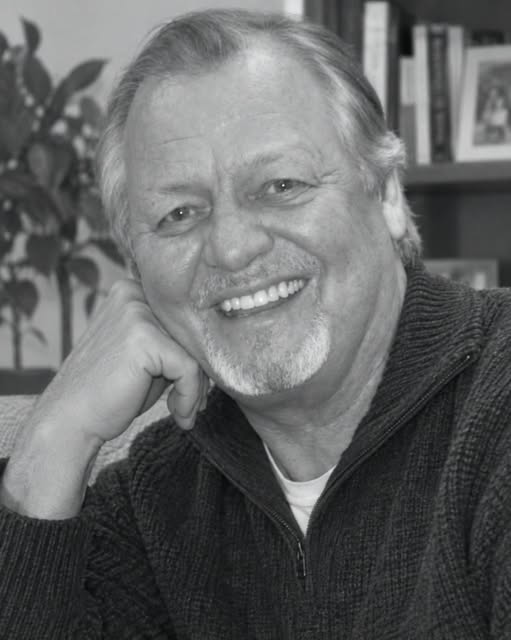
His death came almost too quietly for a man who once commanded the world’s television screens. Millions of fans woke to the news with a strange sense of loss—as though a small but unforgettable piece of their own past had suddenly disappeared.
This was never just another celebrity obituary. It was the closing chapter of a man who became a television icon, yet stubbornly refused to let one legendary role define his entire life.
For millions, David Soul will always be Hutch—the calm, soft-spoken half of Starsky & Hutch, the blond detective beside Starsky’s fiery energy, leaning against the unmistakable striped Ford Gran Torino as 1970s America gathered around the television.
But there was far more to Soul than the character who made him famous.
Behind that effortless charm was a restless artist who refused to live comfortably inside his own legend. Rather than simply repeat the success that had made him a household name, he kept moving forward—taking chances in film, television, and theater. He shared the screen with stars such as Clint Eastwood and later embraced the wild, unconventional world of Jerry Springer: The Opera, proving that he was still willing to surprise audiences long after his prime-time glory days had passed.
And perhaps his most powerful performance came when there was no audience at all.
In his final days, Soul faced illness quietly, surrounded by the people he loved. His wife, Helen, spoke of his courage without drama or grand gestures. There was something fitting about that—a man who had spent his career in the spotlight choosing to meet his final chapter away from it.
David Soul did not leave the world as merely a faded television memory. He remained a working artist, a restless performer, and a man who never stopped challenging the story others had written for him.
He spent a lifetime becoming more than Hutch.
And in the end, perhaps that was his greatest role of all: to keep rewriting his own story until the very last page.