
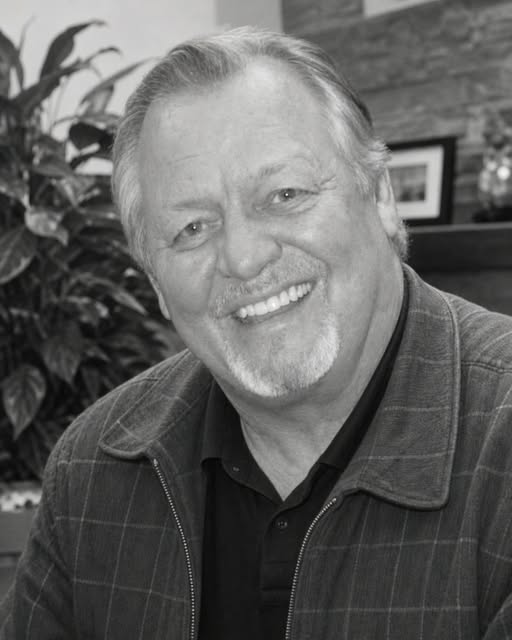
His death came almost too quietly for a man who once commanded millions of television screens. Fans woke to the news and felt as though a small piece of their own past had suddenly disappeared. This was more than another celebrity obituary—it was the closing chapter of a rebel who refused to let one legendary role define his entire life, even as his body began to slow him down.
For millions of viewers, David Soul will always be Hutch—the calm, thoughtful, soft-spoken half of Starsky & Hutch, standing in the shadow of Starsky’s fiery personality, often beside that unforgettable striped Ford Gran Torino as 1970s America watched from its living rooms. But there was far more to Soul than the character who made him famous.
Behind the effortless charm was a restless and determined artist who refused to be imprisoned by his own success. Rather than simply relive the glory of his most iconic role, he continued to take chances, moving through film, television, and theater. He shared the screen with stars such as Clint Eastwood and later embraced the wild, unpredictable energy of Jerry Springer: The Opera—proof that he was never content to stand still.
Perhaps his most powerful performance, however, came when there were no cameras watching.
Soul faced his final illness privately, surrounded by those closest to him. His wife, Helen, remembered his courage without spectacle or grand words. And that seems fitting for a man who spent his life quietly defying expectations.
David Soul did not leave the world as a forgotten relic of television’s past. He remained a working artist until the end—a man who refused to let fame define him, and who spent a lifetime rewriting the story of who he could become.