
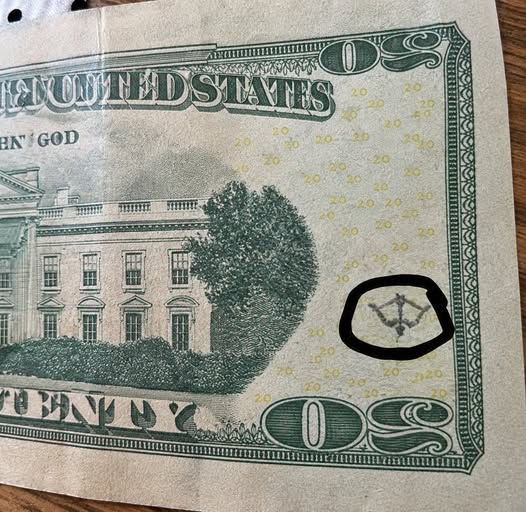
A dollar in your hand might be telling you a story you can’t see.
Tiny arrows. Faded stars. Mysterious initials. A strange red stamp in a place where nothing “official” should be.
At first glance, they look like random marks—or even vandalism.
They’re not.
Some of these markings are traces of a hidden journey your money took long before it reached your wallet. They can reveal a world of fear, fraud, suspicion, and trust stretching across borders and continents.
Most people never notice the faint blue initials or tiny red symbols pressed into their cash. But to those who handle money every day, a small mark can carry a powerful message:
“This bill is real. This bill can be trusted.”
In places where counterfeit currency is a constant threat, money changers, street vendors, shopkeepers, and small banks have developed their own grassroots system of trust. A simple stamp or “chop” becomes a quiet endorsement—one person’s way of telling the next stranger, “I checked this. It’s safe.”
And every new mark adds another chapter to the bill’s invisible history.
The tradition has deep roots, stretching from Chinese silver coins to American dollars circulating through African markets and Latin American bus stations. Over time, these markings evolved from practical authentication methods into a kind of unofficial language shared by people who depend on cash every day.
There’s an intriguing legal gray area, too. In the United States, deliberately altering or mutilating currency can raise legal issues, yet many of these subtle markings are little more than tiny stamps or initials—small enough to leave the bill usable while still carrying a message.
So the next time you pull a worn, stamped dollar from your wallet, look a little closer.
You may not just be holding money.
You may be holding a fragment of an invisible global network of trust—a piece of paper that has traveled through countless hands, crossed borders, survived suspicion, and collected tiny witnesses along the way.