
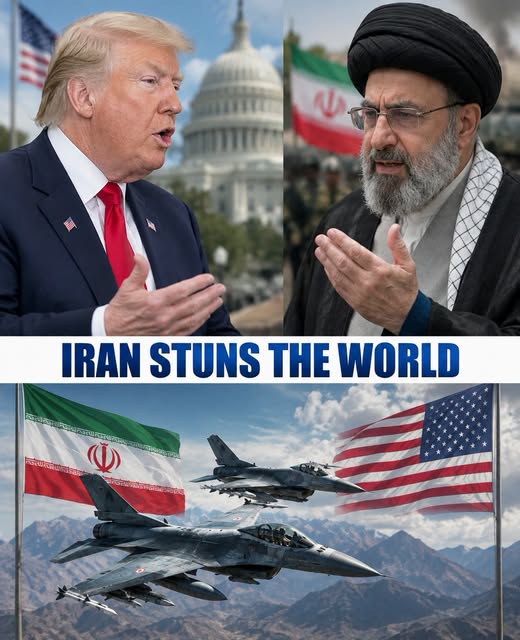
American warplanes are striking targets in Iran even as U.S. diplomats quietly negotiate across hotel tables in Qatar. The Strait of Hormuz hangs in the balance, with global oil markets, allies, and adversaries watching closely for President Trump’s next move. His message is blunt: “A good deal—or no deal.” But behind the closed doors of diplomacy, trust is rapidly wearing thin.
Inside the conference rooms of Doha, negotiators argue over every word and every clause. Outside, U.S. warships and aircraft operate near Bandar Abbas, enforcing a fragile cease-fire that could unravel with a single miscalculation. Washington describes the military actions as “self-defense,” warning Tehran that mines, missiles, or any attempt to shut down critical sea lanes will not be tolerated while negotiations continue.
Iranian leaders, facing intense sanctions and military pressure, have signaled a limited willingness to engage. At the same time, Tehran accuses Trump’s negotiating team of repeatedly changing its demands—raising doubts about whether any agreement can ultimately hold.
The framework taking shape is ambitious and potentially transformative: Iran would eliminate its highly enriched uranium stockpile, guarantee the reopening of the Strait of Hormuz, and accept nuclear restrictions that go further and last longer than those established under the 2015 agreement.
In return, Washington would lift the naval blockade and gradually roll back sanctions.
Officials say that “major political issues” have already been resolved. Yet the most difficult questions remain unanswered: How will the agreement be verified? Who will enforce it? And what happens if either side believes the other has violated its commitments?
Those questions have destroyed previous agreements—and they may determine the fate of this one.
Between the thunder of military aircraft and the quiet murmur of translators, a potential peace is being negotiated. But for now, it is being written in pencil, not ink.