
That Dark Patch on Your Neck May Be Trying to Tell You Something—And Scrubbing Won’t Make It Disappear
At first, it might look like nothing more than a stubborn dark mark. You wash it, scrub it, and try everything to make it disappear, yet the skin remains darker, thicker, and unusually velvety. What if the problem has nothing to do with cleanliness? In some cases, this subtle skin change may be a clue to something happening inside your body—something worth paying attention to before other symptoms appear.
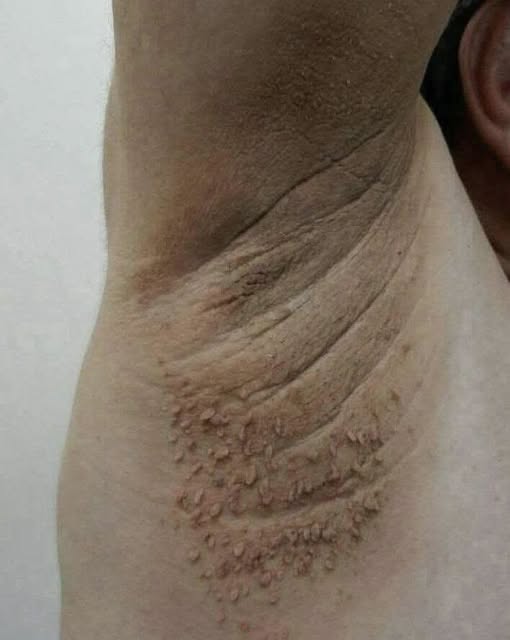
One possible explanation is acanthosis nigricans, a skin condition that causes darkened, thickened, velvety patches, commonly appearing around the neck, armpits, or groin. Despite how it may look, this condition is not caused by poor hygiene, and excessive scrubbing will not solve the underlying problem. In fact, harsh treatment can irritate the skin and make matters worse.
Acanthosis nigricans is often associated with insulin resistance, a condition in which the body’s cells respond less effectively to insulin. This can increase the risk of prediabetes and type 2 diabetes. However, diabetes is far from the only possible explanation. The condition may also be linked to polycystic ovary syndrome (PCOS), certain hormonal disorders, medications, or inherited factors.
So, what should you do if you notice these changes? Rather than trying to scrub the discoloration away or assuming the worst, consider arranging a medical appointment. A healthcare professional can examine the affected area, review your medical history, and recommend blood tests if needed to investigate possible underlying causes.
Treatment depends on what is triggering the condition. If insulin resistance is involved, managing blood sugar levels, increasing physical activity, and making appropriate dietary changes may help improve the skin over time. In some cases, prescription treatments can also help reduce the thickness or appearance of the patches.
There is one important warning to remember: if the dark patches appear suddenly or spread rapidly, seek prompt medical evaluation. Although uncommon, acanthosis nigricans can occasionally be associated with certain cancers, particularly when it develops abruptly in adulthood. This is rare, and a dark patch alone does not mean cancer is present.
Your skin can sometimes offer clues about your overall health. The key is knowing when to pay attention, when to seek professional advice, and why guessing from appearance alone is never enough. That unexplained patch may be harmless, or it may deserve a closer look—but getting answers is far more valuable than simply trying to hide it.
This article is for educational purposes only and is not a substitute for professional medical advice or diagnosis.