
Your Floors May Be Spotless, but One Dirty Mistake Could Undo All Your Hard Work!
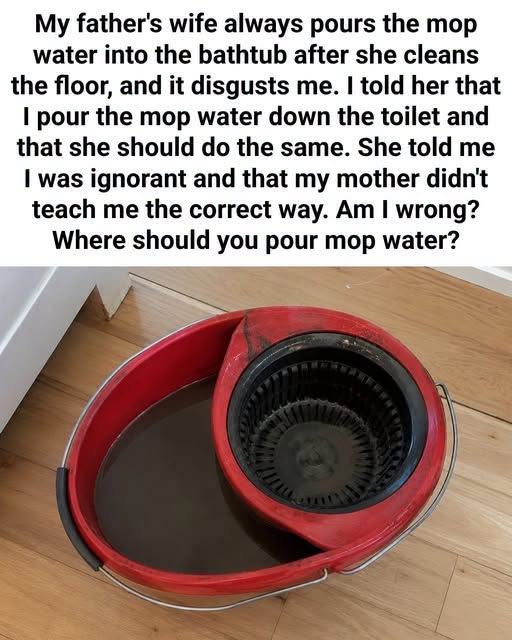
You’ve finished mopping, and your floors look sparkling clean. But there’s one final task that could turn your cleaning victory into another messy problem: getting rid of that bucket of dirty water. Pour it into the wrong place, and you could end up with unpleasant splashes, stubborn residue, or even a clogged drain. So, where should that murky water go—and what dangerous mistake should you avoid at all costs?
The best place to start is a deep utility or laundry sink. These sinks are generally designed to handle messier household tasks, making them a practical choice for disposing of ordinary mop water. However, always check your cleaning product’s disposal instructions first. Before pouring, remove any collected hair, dust, and solid debris to prevent unwanted blockages.
Don’t have a utility sink? Your bathtub may be a suitable alternative. Place a mesh hair catcher over the drain, pour the water slowly, and rinse the tub thoroughly afterward. Otherwise, dirt and cleaning residue can settle on the surface, leaving you with another area to clean.
The toilet might seem like the easiest option, but it’s often better to leave it as a last resort. Lifting and tipping a heavy bucket can send dirty droplets splashing onto the toilet seat, nearby surfaces, and even your clothes. If the cleaning solution is safe for toilet disposal, pour slowly toward the back of the bowl to minimize splashing.
But here’s the safety warning you should never ignore: Never mix bleach with vinegar, ammonia, or other cleaning products. Certain combinations can release dangerous gases that may irritate or seriously harm your eyes and respiratory system. Always follow product labels, and never assume two cleaners are safe to combine.
Want to make your next cleaning session easier? Avoid filling your bucket to the brim, choose a lightweight mop system when possible, and replace heavily soiled water instead of spreading dirt across your floors.
After all, the goal isn’t just to make your floors shine. It’s to finish the job safely, without creating another mess—or a hidden hazard—you’ll have to deal with later.