
When a Tiny Speck Triggers a Wave of Fear
One tiny speck can spark a storm of fear.
What appears to be pubic lice can quickly lead to panic, embarrassment, shame, or even painful suspicions about a partner. But appearances can be misleading—and a few mysterious spots or an unexpected itch are not enough to tell the whole story.
Before an itch turns into an accusation, take a breath. Understanding what pubic lice really are, how they spread, and how they are diagnosed can replace frightening assumptions with clear, reassuring facts.
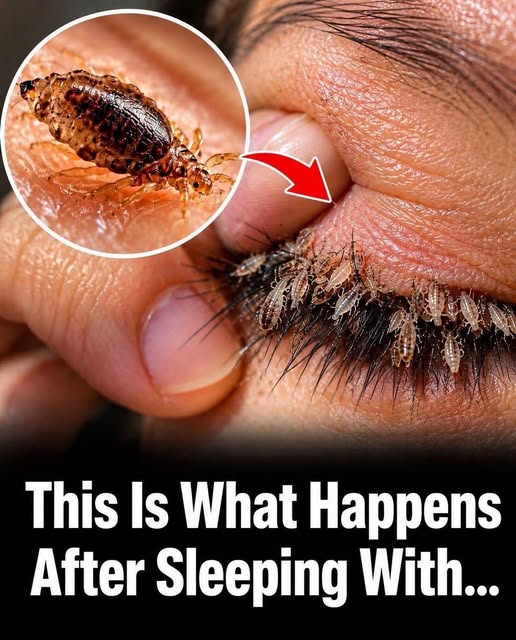
Pubic lice, commonly known as crab lice, are tiny parasites that feed on blood and typically live in coarse body hair, especially around the genital area. However, they can also be found in the armpits, chest, beard, eyebrows, or eyelashes. Their eggs, known as nits, attach firmly to individual hairs and may appear as tiny pale or yellowish specks.
Itching is one of the most common symptoms, but not everyone experiences obvious discomfort. And what looks like pubic lice in a photograph may actually be something completely different. Skin conditions, dried skin, lint, or other ordinary debris can sometimes look surprisingly similar. That is why a photograph alone cannot reliably confirm an infestation, and a professional examination may be needed.
Pubic lice are most often spread through close physical contact, particularly sexual contact. Less commonly, transmission may occur through recently used clothing, towels, or bedding.
Importantly, anyone can get pubic lice, regardless of personal hygiene. And discovering them does not prove infidelity, reveal who transmitted them, or reliably establish when the transmission happened. There is often no way to determine these details simply from an infestation.
The good news is that pubic lice are treatable. A healthcare professional or sexual-health service can confirm whether lice are actually present and recommend the appropriate treatment. Informing relevant intimate partners can also help prevent further transmission.
Most importantly, there is no need for blame or shame.
Sometimes, the most reassuring first step is simply replacing suspicion with facts—and seeking the right answer before jumping to conclusions.