
Your Floors Are Clean—But Don’t Make This Mistake With the Mop Water
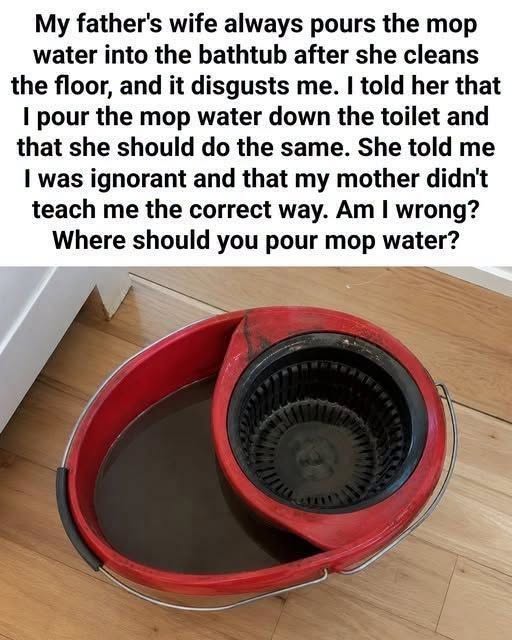
Your floors may look spotless, but the cleanup isn’t quite finished yet. That bucket of dirty mop water can quickly turn a simple chore into a bigger mess, causing unwanted splashes, stubborn residue, or even drain problems.
So, where should you actually dump it?
The best option is usually a deep utility or laundry sink. It’s designed to handle dirty water and makes emptying a heavy bucket much easier. However, always check the cleaning product’s label first to make sure it’s safe to dispose of the solution down a drain. Before pouring, remove any hair, dirt, or debris from the water to prevent clogs.
No utility sink? Your bathtub can be a good backup. Place a mesh hair catcher over the drain, then slowly empty the bucket to avoid splashing. Once you’re finished, rinse the tub thoroughly so cleaning residue and grit don’t remain on the surface or build up in the drain.
Try to avoid using the toilet whenever possible. A heavy bucket of dirty water can easily splash droplets onto the floor, toilet, walls, or nearby surfaces. If the toilet is your only option, pour slowly toward the back of the bowl to minimize splashing.
And there’s one safety rule you should never ignore: never mix bleach with vinegar, ammonia, or other household cleaners. Combining certain cleaning chemicals can release dangerous gases.
For an easier, cleaner routine, don’t overfill your mop bucket, consider using a lightweight mop system, and replace visibly dirty or gray water instead of continuing to mop with it.
After all, the goal of cleaning is simple: finish with sparkling floors—not another mess waiting to be cleaned.