
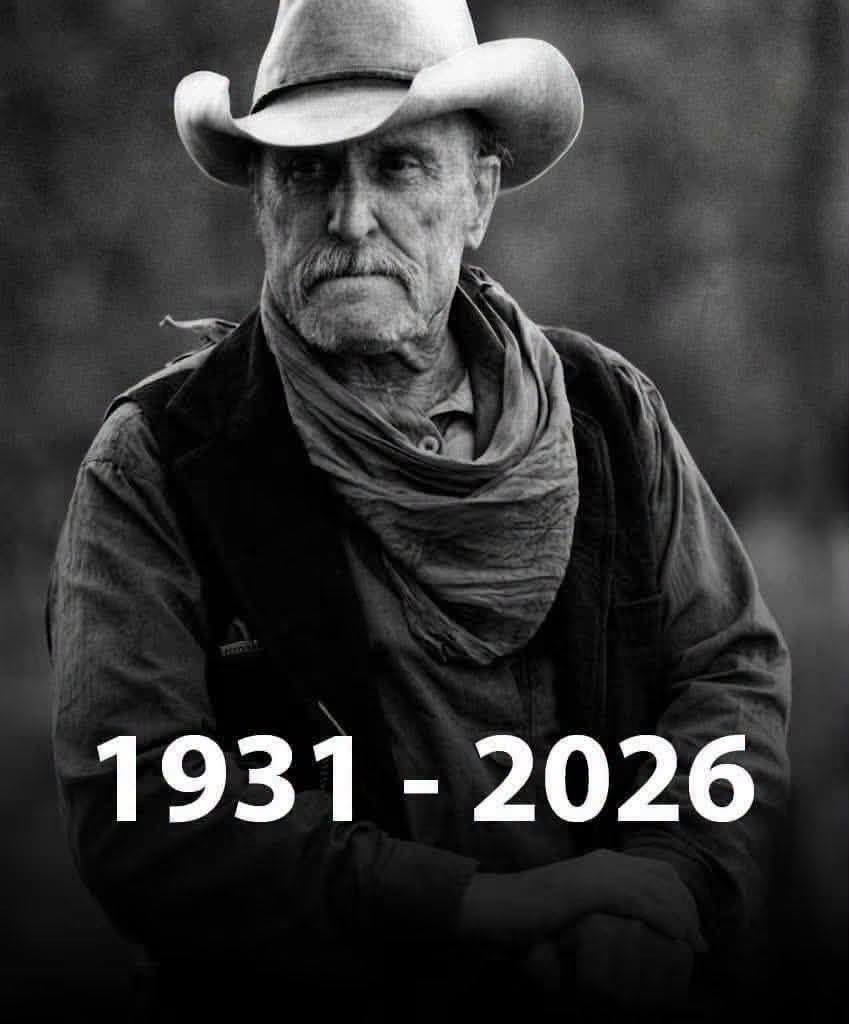
Some actors command the screen. Robert Duvall could command an entire room without saying a word.
From Tom Hagen’s quiet loyalty in The Godfather to Mac Sledge’s bruised dignity in Tender Mercies, Duvall possessed a rare ability to make silence feel as powerful as dialogue. His greatest performances were never simply about what a character said—they were about everything left unspoken.
That was the secret of his craft. Duvall gave every character a life beyond the frame: a history, a wound, a regret, a private hope. You could see it in the way he paused before answering, listened a little too carefully, or simply stood in silence.
As Tom Hagen, his calm composure made power feel even more dangerous. As Lieutenant Colonel Kilgore in Apocalypse Now, confidence became both magnetic and unsettling. And as Mac Sledge in Tender Mercies, redemption emerged not through grand speeches, but through small, painfully human gestures.
Across decades of unforgettable performances, Duvall never needed to make his characters perfect. They could be difficult, broken, frightening, compassionate, or tender—and sometimes all of those things within the same scene.
He trusted the audience to look closer.
And that may be why his work continues to endure. Every return to a Duvall performance can reveal something you missed before—a glance, a pause, a flicker of regret, a moment of vulnerability.
His greatest gift was never simply becoming another person. It was making us recognize ourselves in one.