
It happens before your brain even has time to understand it.
One second, you’re moving through the leaves, focused on the hunt. The next—a white-hot sting tears through your leg. You look down and catch a glimpse of scales disappearing into the brush.
Then the panic hits.
Your heart pounds. Your breathing turns shallow. Every horror story you’ve ever heard about venomous snakes comes rushing back as the pain begins to throb and your vision starts to blur.
But in that moment, your survival depends less on the snake—and more on what you do next.
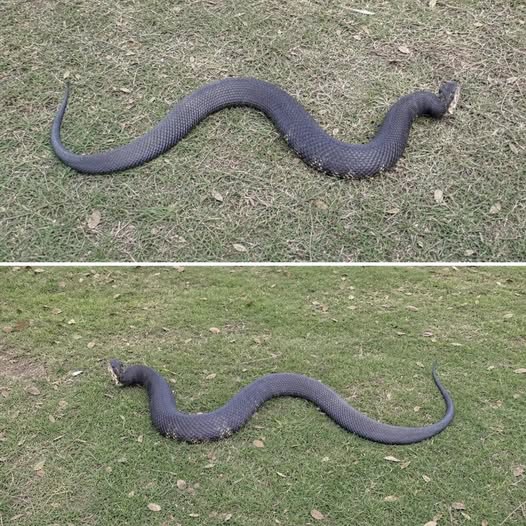
The Eastern Copperhead is a master of camouflage and, for the most part, a reluctant attacker. Most bites happen when the snake feels threatened. Some bites may even be “dry,” delivering little or no venom, and deaths are rare when modern medical care is available.
The real danger can be panic.
Running can make things worse. Improvised remedies can waste precious time. A tourniquet, a knife, or some old backwoods trick can turn a serious injury into a devastating one.
So remember what matters.
Stay calm. Stay still. Keep the bitten limb in a comfortable, neutral position. Walk slowly only if you must, and get to emergency medical care as quickly and safely as possible. Let doctors decide what treatment is needed—including antivenom when appropriate.
And Nana’s old Southern wisdom still holds true in 2026:
The snake is gone. Now, you stay in control.
Take the photo if you can do it safely—then put the phone away. Don’t chase it. Don’t try to kill it. Don’t play hero.
The woods don’t care about pride.
Respect the snake. Trust modern medicine. Control your breathing. Keep your head clear enough to make the next right decision.
The hunt can wait.
Your life can’t.