
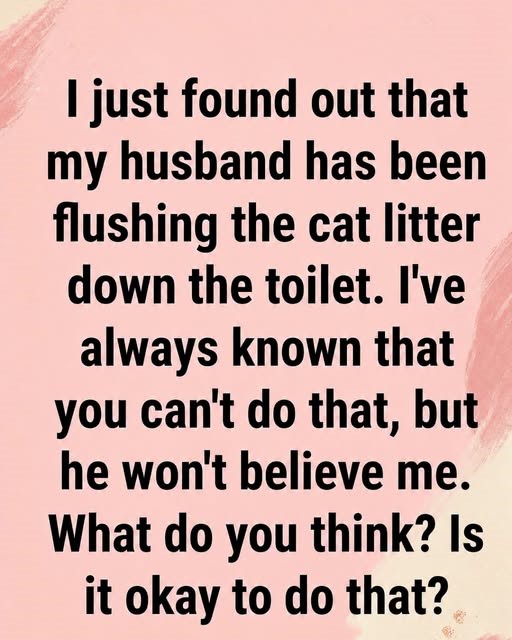
Your Toilet Isn’t Swallowing Your Mistakes—It’s Storing Them
Your toilet may look like the perfect place to make something disappear.
You flush, the water spins, everything vanishes from sight, and within seconds, the bathroom looks exactly the same. It feels like the problem is gone.
But here’s the uncomfortable truth:
Your toilet isn’t swallowing your mistakes. It may be storing them.
Every time you flush something that doesn’t belong in the toilet, you could be adding another piece to a problem that develops quietly behind your walls and underneath your floors.
That “just this once” flush of a handful of wipes.
That strand of hair.
That piece of dental floss.
That cotton swab.
That little bit of grease or oily residue.
At the moment, none of it seems dangerous. The toilet flushes, the water disappears, and life moves on.
But your plumbing doesn’t forget.
Some materials can catch on the inside of pipes. Others can become tangled with hair, toilet paper, and other debris. Grease and oils can stick to pipe walls and gradually collect more material as they travel through the system.
The blockage may not happen immediately.
And that’s what makes it so easy to ignore.
The Problem You Don’t See
Most household toilets are designed for a very specific purpose: human waste and toilet paper.
That’s it.
Toilet paper is designed to break down relatively quickly in water. Many other products are not.
Wipes may feel soft, but “flushable” does not always mean they will disappear harmlessly through every plumbing system. Hair can twist and tangle into surprisingly stubborn clumps. Dental floss is thin and strong enough to become a trap for other debris. Cotton products can absorb water and remain intact instead of breaking apart.
Then there’s grease.
Grease might be liquid when it goes down the drain, especially while it’s warm. But as it cools, it can harden and cling to the inside of pipes. Over time, that sticky surface can collect additional debris, slowly narrowing the passageway.
Imagine a road becoming narrower one tiny layer at a time.
At first, nobody notices.
Cars still get through.
Then traffic slows.
Eventually, everything comes to a standstill.
Your plumbing can behave in much the same way.
The Warning Signs Often Come Before the Disaster
A serious toilet blockage rarely appears out of nowhere.
Your bathroom may give you warnings first.
Maybe the flush doesn’t seem as powerful as it used to.
Maybe the toilet takes longer to drain.
Maybe you hear an unusual gurgling sound after flushing.
Perhaps the water rises higher than normal before slowly disappearing.
Or maybe you flush and suddenly find yourself staring at a water level that seems to be getting closer and closer to the rim.
That is the moment when a harmless habit can suddenly become a very expensive problem.
Because the real nightmare isn’t simply a clogged toilet.
It’s the overflow.
Dirty water spreading across the bathroom floor.
Water soaking into flooring and walls.
A damaged ceiling below.
An unpleasant cleanup.
A plumber arriving at the worst possible time.
And a repair bill that could have been avoided by simply putting the wrong item in the trash instead of the toilet.
Six Common Things That Should Stay Out of Your Toilet
There are countless objects people accidentally flush, but several common items repeatedly cause trouble.
1. Wet wipes
Even when packaging describes wipes as flushable, they generally don’t break down as readily as ordinary toilet paper. They can remain intact, bunch together, and contribute to blockages—especially in older or sensitive plumbing systems.
2. Hair
Hair belongs in the trash, not the toilet. It can wrap around other materials and form tangled masses that are difficult to move through pipes.
3. Dental floss
It may look tiny and harmless, but floss is designed to be strong. Once inside plumbing, it can act like a miniature net, catching other debris and helping create a larger obstruction.
4. Cotton swabs and cotton products
Cotton swabs, cotton balls, and similar products don’t behave like toilet paper. They can remain intact and become part of a blockage instead of breaking down and passing safely through the system.
5. Paper towels and tissues
They may look similar to toilet paper, but they are manufactured differently and can be much more resistant to breaking apart in water.
6. Grease and oily substances
Grease should never be treated like ordinary liquid waste. Once it cools, it can stick to plumbing surfaces and contribute to buildup. Keep fats, oils, and grease out of your toilet—and preferably out of your household drains altogether.
The Most Dangerous Part? It Feels Harmless
That’s why these habits are so easy to develop.
You’re standing in the bathroom with something you want to get rid of.
The trash can is a few steps away.
The toilet is right there.
So you think:
“It’s small. It’ll probably be fine.”
Then you flush.
Nothing happens.
No warning alarm sounds.
No pipe suddenly bursts.
No dramatic scene unfolds.
And because nothing happened, you assume the decision was harmless.
But plumbing problems often reward bad habits with delayed consequences.
The blockage may be forming somewhere you can’t see.
Behind the wall.
Under the floor.
Farther down the drain line.
And by the time you finally notice something is wrong, the original cause may have happened dozens—or even hundreds—of flushes earlier.
A Few Seconds Can Save You From a Huge Mess
The solution isn’t complicated.
Keep a small wastebasket beside the toilet.
Make it obvious and convenient.
If you have children in the house, teach them a simple rule they can remember:
“Only waste and toilet paper go in the toilet.”
Put wipes, cotton products, floss, tissues, hair, and other bathroom waste into the trash.
And before you flush something questionable, stop for two seconds and ask yourself:
“Was this actually designed to go down a toilet?”
If the answer is no—or you’re not sure—the trash is usually the safer choice.
Those few extra seconds may seem insignificant.
But they can prevent hours of frustration, an emergency cleanup, unpleasant odors, property damage, and a plumbing bill that arrives when you least expect it.
Your toilet may make almost anything disappear from your sight.
But out of sight does not always mean gone.
The pipes are still there.
The debris can still be there.
And the consequences can be waiting quietly until the worst possible moment.
So the next time you reach for the flush, remember:
Your toilet is not a garbage disposal.
Treat it like the simple system it was designed to be, and your future self—and your plumbing—will thank you.