
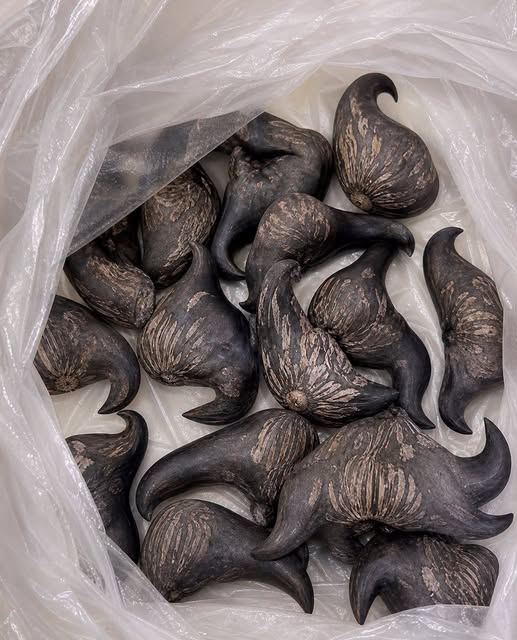
Are Cashews Really Making You Gain Weight and Harm Your Health? The Truth May Surprise You.
Cashews have been blamed for everything from weight gain and kidney stones to heart problems. The warnings can sound frightening—especially when they’re repeated across viral headlines and social media.
But how much of this fear is actually supported by evidence, and how much is simply clickbait?
The reality is far more nuanced.
Cashews are not the nutritional villains they’re often portrayed to be. For most people, they can be a valuable part of a balanced diet. They provide heart-friendly unsaturated fats, plant-based protein, fiber, magnesium, copper, and zinc—nutrients that support energy production, normal nerve and muscle function, and overall health.
And despite their calorie density, eating nuts doesn’t automatically lead to weight gain. Their combination of protein, healthy fats, and fiber can help you feel satisfied for longer, potentially making it easier to manage hunger and maintain a healthy weight when portions are appropriate.
Research on nuts as a food group has also found that regular nut consumption is associated with several positive health outcomes, including better cardiovascular health and improved metabolic health. That’s one reason dietary guidelines commonly include nuts as part of a healthy eating pattern.
Of course, cashews aren’t right for everyone. People with tree-nut allergies should avoid them completely. Those who have a history of certain kidney stones or digestive sensitivity may need to be more cautious, depending on their individual circumstances. And choosing properly processed, unsalted cashews is generally a smarter option than heavily salted or sugar-coated varieties.
So, should you be afraid of cashews?
For most people, no.
A modest portion of unsalted cashews can be a nutritious addition to your diet—not a hidden health threat. The key isn’t fear or avoidance. It’s understanding the food, choosing the right portion, and looking at the evidence beyond the headlines.