
One Ordinary-Looking Penny Could Be Worth a Fortune
Imagine reaching into your pocket and finding a dull, brown penny that looks completely ordinary—but could potentially be worth tens of thousands of dollars.
It sounds like a myth. It isn’t.
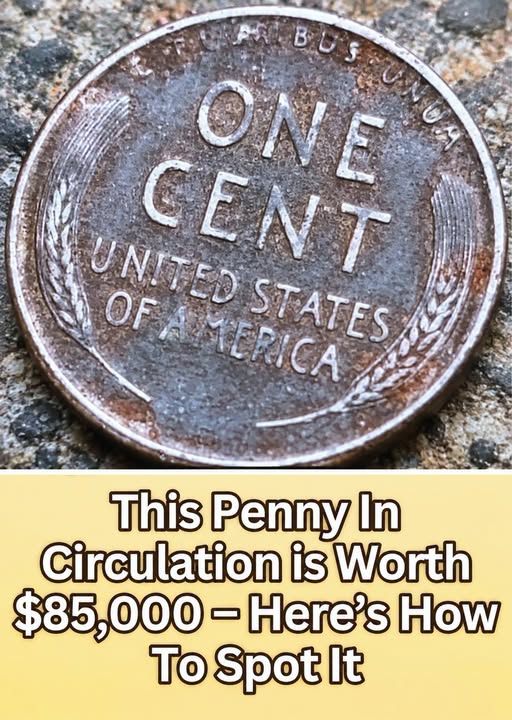
The coin in question is the 1943 Lincoln cent, born during the chaos of World War II. At the time, copper was urgently needed for the war effort, so the U.S. Mint switched to producing cents made from zinc-coated steel.
But something unexpected happened.
A few leftover copper planchets—the blank metal discs used to make coins—apparently remained in the Mint and were accidentally struck with the 1943 cent design. Those rare mistakes escaped into circulation, creating what would become one of America’s most famous and sought-after coin rarities: the 1943 copper cent.
When genuine, authenticated, and preserved in excellent condition, these rare coins have sold for tens of thousands of dollars at auction.
But there’s a catch.
The incredible value of the 1943 copper cent has also created a market flooded with counterfeits, altered coins, and exaggerated claims. Most 1943 pennies you encounter are perfectly ordinary steel cents—not hidden fortunes.
A magnet test can provide an interesting first clue, but it cannot prove authenticity. Determining whether a 1943 cent is truly copper requires examining factors such as its metal composition, weight, condition, and authenticity, ideally with professional verification.
So if you ever discover a suspicious 1943 penny, resist the temptation to clean or polish it. Don’t scratch it, don’t alter it, and don’t rush to sell it. Protect the coin and have it examined by a reputable coin dealer or professional authentication service.
Because sometimes, the difference between one cent and a life-changing discovery comes down to one thing:
Careful, patient confirmation.