
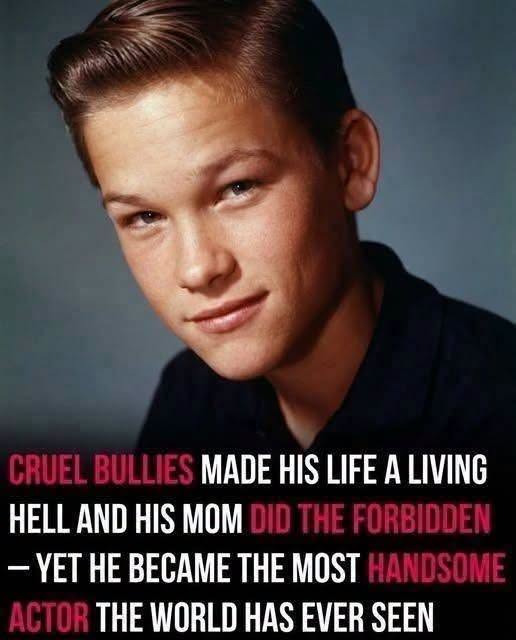
They laughed at his ballet shoes before the world would one day hold its breath watching him move.
Patrick Swayze rose from a humble dance studio in Houston to become one of Hollywood’s most unforgettable stars. But behind the legendary smile, the effortless charm, and the powerful performances was a man who knew heartbreak, addiction, loss, and pain—and who kept fighting long after the applause faded.
Born in Houston in 1952, Patrick grew up surrounded by dance. His mother, Patsy Swayze, was a dance instructor, and from an early age, Patrick embraced movement, music, and performance. But what made him different also made him a target. Classmates mocked him for dancing, yet he refused to let their ridicule decide who he would become.
Then, just as football seemed destined to shape his future, a knee injury changed everything.
Instead of giving up, Patrick turned toward dance. He trained in New York, built a career on stage and screen, and eventually landed the role that would change his life forever.
In 1987, Dirty Dancing transformed Patrick Swayze into an international icon. Suddenly, the very thing people had once laughed at—his dancing—became one of the greatest sources of his appeal. He proved that masculinity could be powerful without sacrificing grace, and that strength could exist in the same body as tenderness.
But fame did not make life easier.
Behind closed doors, Patrick and his wife, Lisa Niemi, faced the devastating pain of pregnancy loss. He also battled alcohol addiction and endured the deaths of people he loved. The man audiences saw as confident and unstoppable was carrying wounds that rarely appeared on screen.
Then, in 2008, Patrick was diagnosed with pancreatic cancer.
Even as his health deteriorated, he continued working, refusing to surrender his identity to the disease. He kept showing up, kept creating, and kept fighting.
On September 14, 2009, Patrick Swayze died at the age of 57.
But his story did not end there.
Patrick Swayze left behind far more than iconic movie scenes and unforgettable dance moves. He left a lesson in courage: that being different is not something to hide, that vulnerability does not make you weak, and that sometimes the greatest strength is simply refusing to stop moving forward—even when life gives you every reason to fall.