
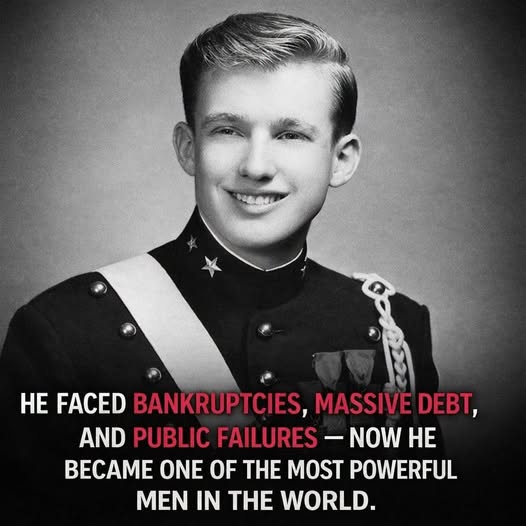
He was never expected to accept defeat. Not in business, not in politics, and certainly not under the unforgiving spotlight of American fame. Raised to view competition as a battle and setbacks as challenges to overcome, Donald Trump built his public identity around risk, reinvention, and relentless spectacle. Even when everything seemed to be collapsing, he found a way to turn crisis into another chapter of the story. And as America became increasingly divided around his name, one question continued to linger: how did he remain at the center of it all?
Donald Trump’s life reads less like a conventional biography and more like a succession of increasingly dramatic bets. From an early age, he absorbed the idea that the world belonged to winners, and he carried that mindset into nearly every arena he entered. When his casino ventures ran into enormous financial trouble and creditors closed in, his business empire faced serious pressure. Yet instead of disappearing from public view, Trump continued negotiating, promoting, and rebuilding—keeping the value of his name at the heart of his strategy.
Television then transformed that name into a worldwide brand, but politics gave it an entirely different meaning. His rise reshaped the Republican Party and placed him at the center of fierce debates over leadership, loyalty, immigration, the economy, and the direction of American democracy. Supporters viewed him as a political outsider willing to challenge the establishment, while critics argued that his conduct and rhetoric posed serious challenges to democratic norms.
Through it all, Trump remained a remarkably persistent figure in American public life. Supporters rallied around his message, opponents mobilized against him, and the intense attention surrounding his every move continued to keep him in the spotlight. Whether celebrated or condemned, his ability to remain at the center of the national conversation became one of the defining features of his political career.