
That innocent-looking loaf sitting on your kitchen counter may be hiding a secret.
One day, it’s soft, chewy, and comforting. The next, it’s dry, tough, and strangely suspicious. But is stale bread still perfectly safe to eat—or could it be a quiet health risk waiting to strike?
The answer isn’t as simple as “just cut off the bad part.”
Knowing the difference between stale and spoiled bread can help protect your health, reduce unnecessary food waste, save money, and give you peace of mind.
Stale Doesn’t Mean Dangerous
Bread doesn’t simply “go bad” when it becomes hard. As the starches inside the loaf slowly reorganize, the bread loses its original softness and becomes firm, chewy, or dry.
That process is called staling, and by itself, it isn’t a sign of contamination. It’s chemistry—not necessarily a health threat.
In fact, stale bread can often get a second life. Toast it into crispy golden croutons, blend it into breadcrumbs, or gently warm it in the oven to bring back some of its texture.
Yesterday’s bread doesn’t have to become tomorrow’s trash. With a little creativity, it can become today’s secret ingredient.
But Mold Changes Everything
The real warning sign is mold.
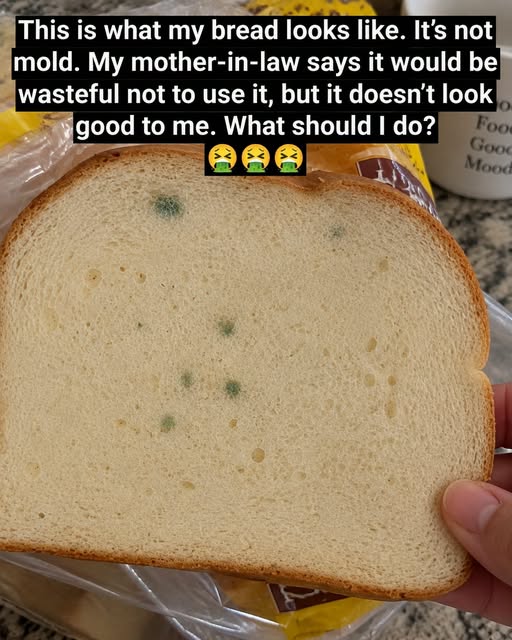
If you spot fuzzy patches—whether they’re green, white, black, or another unusual color—don’t simply cut away the affected area and eat the rest.
Bread is porous, which means mold can send microscopic threads deep beneath the surface where you can’t see them. What looks like a tiny spot may be much more widespread inside the loaf.
Your nose can also give you a clue. A musty, moldy, or unusually sour smell is a reason to stop and take a closer look.
When you’re unsure whether bread is merely stale or truly spoiled, don’t take the risk—throw it out.
Learning where to draw the line between stale and spoiled means you can waste less food without gambling with your health. Sometimes, knowing what to save is just as important as knowing what to toss.