
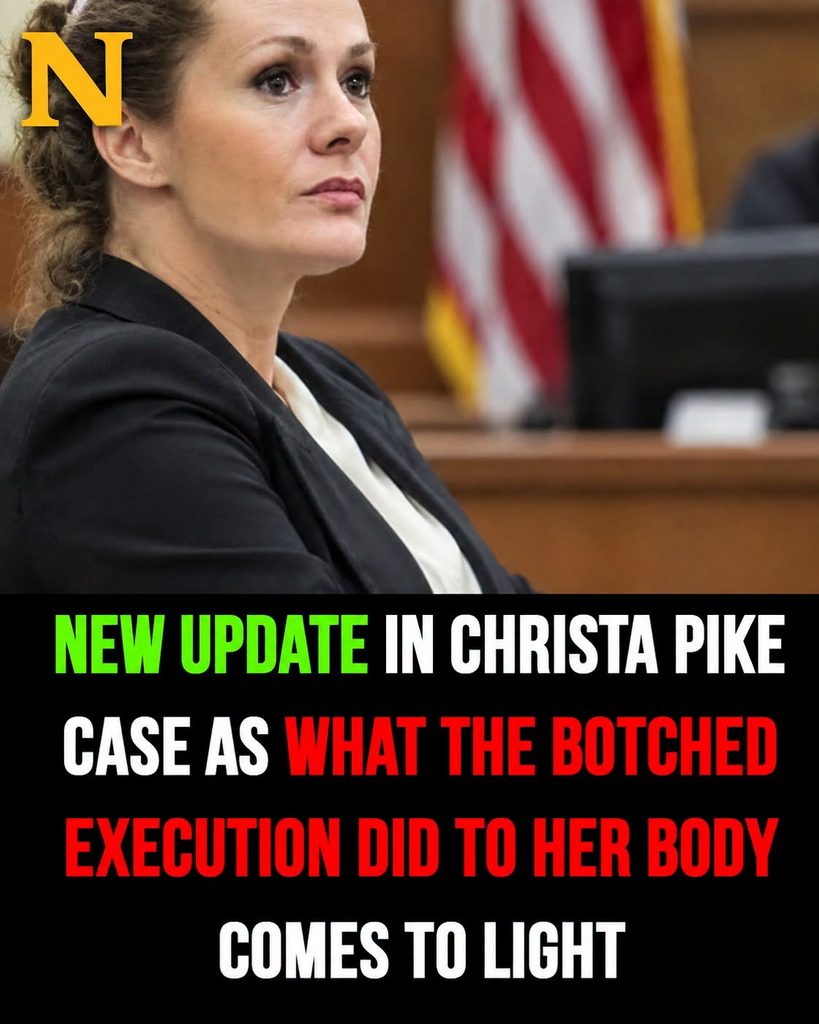
Tennessee’s execution system is facing intense scrutiny after a failed lethal-injection attempt left questions that officials must now confront. Christa Pike survived two doses during the September 30 execution attempt, and the fallout has reached the highest levels of the state’s corrections system. With executions suspended through the end of the year and an independent investigation underway, attention is now focused on what happened inside the execution chamber—and whether earlier warnings were overlooked.
On October 3, Governor Bill Lee announced that Correction Commissioner Frank Strada would step down, saying Strada had determined the decision was in Tennessee’s best interests. The announcement came just days after Pike’s execution attempt. Pike was convicted in the 1995 murder of 19-year-old Colleen Slemmer and had spent more than three decades on death row.
The incident also comes after another troubling execution setback. In May, Tennessee abandoned the execution of Tony Carruthers after staff repeatedly struggled to establish intravenous access. Following Pike’s case, Governor Lee suspended executions until the end of the year while an independent review examines the state’s procedures.
Pike’s attorneys have described a disturbing scene in an emergency court filing. They alleged that her arms became swollen, burned, and blistered after staff spent more than an hour attempting to establish IV access. Her lawyers believe the pentobarbital may have entered surrounding tissue rather than her bloodstream, but that explanation remains an allegation and has not been established by an independent investigation.
Pike’s defense had previously raised concerns about her blood disorder and small veins. After the failed execution attempt, she was reportedly transferred to a hospital for treatment, while her attorneys sought to preserve evidence from the procedure.
An expedited court hearing was granted, but no date had been set at the time of the report. Now, as Tennessee pauses executions and launches an independent review, one question hangs over the entire controversy: What went wrong inside the execution chamber, and could the warning signs have been recognized sooner?