
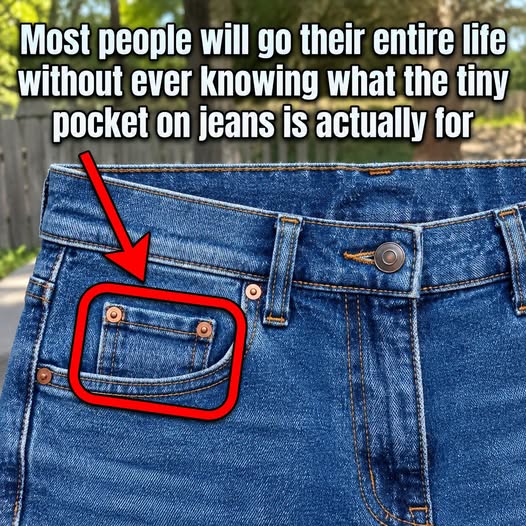
Those tiny metal studs on your jeans have a story almost nobody knows.
They look like decoration. They’re easy to ignore. But the next time you see one, remember this: those little pieces of metal were created because workers kept tearing their pants apart.
In the brutal working world of the late 1800s, miners and railroad laborers faced long hours, heavy tools, constant movement, and clothing that simply couldn’t keep up. Pockets ripped. Seams split. Pants failed at exactly the moments workers needed them most.
One tailor had finally had enough.
His name was Jacob Davis, and instead of endlessly repairing the same torn pockets, he decided to attack the problem at its weakest points. His solution was surprisingly simple—and incredibly clever.
He placed metal rivets at the corners of pockets and other high-stress areas, reinforcing the fabric where it was most likely to tear.
The result was almost immediate: the pants became dramatically harder to destroy.
Davis realized he had something bigger than a clever repair trick. But he needed a business partner to turn the idea into something more. That partner was Levi Strauss.
Together, they patented the riveted work-pants design, helping launch what would become one of the most recognizable pieces of clothing in history.
Those copper and brass rivets weren’t there to make jeans look cool. They were built for survival—designed to handle tools, sweat, dirt, hard labor, and years of punishment.
And somehow, more than a century later, that original idea is still sitting on your pocket.
So the next time you see those tiny metal dots on a pair of jeans, don’t think of them as decoration. Think of them as tiny pieces of industrial history—born from torn clothes, hard work, and one tailor who refused to accept that pants had to keep ripping.