
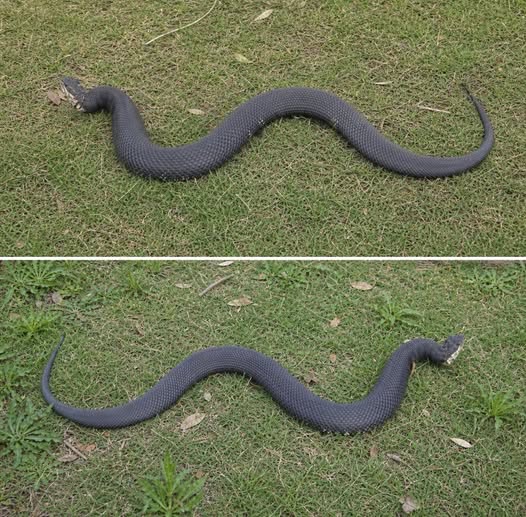
It happens faster than your brain can process.
One second, you’re moving through the leaves, focused on the hunt. The next, a white-hot sting tears through your leg—and there it is: a flash of scales disappearing into the brush.
Panic hits hard.
Your breathing shortens. Your heart pounds. Every terrifying snake story you’ve ever heard comes rushing back as the pain begins to throb and your vision starts to blur.
But in that moment, your survival isn’t about the snake anymore.
It’s about what you do next.
The Eastern Copperhead is a master of camouflage and, more often than not, a reluctant attacker. Most bites happen when the snake feels threatened. Some bites are even “dry,” delivering little or no venom. And with modern medical treatment, fatalities are rare.
But fear can turn a survivable bite into a dangerous situation.
Don’t run.
Keep the bitten limb as still and level as practical. Move calmly and carefully toward help—never sprint. Get to an emergency department as quickly as possible, where doctors can assess the injury and determine whether antivenom or other treatment is needed.
And forget the old legends.
No tourniquets. No cutting the wound. No trying to suck out venom. No revenge. No knife tricks. No trying to prove how tough you are.
If it’s safe, take a quick photo from a distance to help identify the snake. Then put the phone away.
Nana’s old Southern wisdom still cuts through all the noise in 2026:
The snake is gone. Now stay calm.
Respect the woods. Trust modern medicine. Control your breathing, control your fear, and make the next right decision.
The hunt can wait.
Your life can’t.