
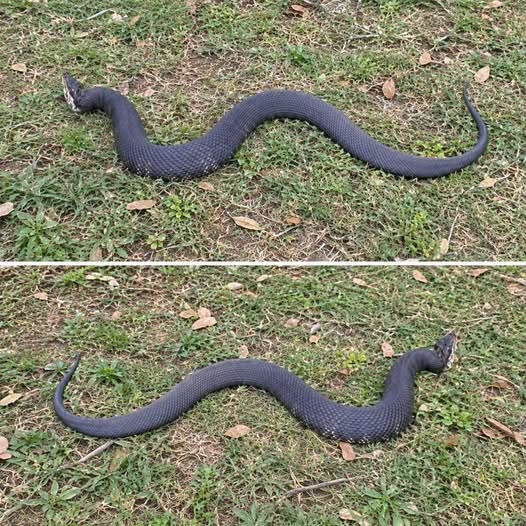
One Bite Can Change Everything: What You Do Next Could Make All the Difference
The bite happens in an instant. One moment, you are walking through fallen leaves or working in the garden. The next, a hidden copperhead strikes and vanishes into the undergrowth. Pain begins to spread, your heart pounds, and fear floods your mind with terrifying possibilities. But in those critical moments, panic is your worst enemy. Knowing what to do—and what to avoid—could make a crucial difference.
Eastern copperheads typically prefer to remain hidden, relying on their natural camouflage to blend into their surroundings rather than confront people. However, when a bite occurs, even if the initial symptoms seem mild, it must be treated as a medical emergency. Although deaths from copperhead bites are rare when appropriate medical care is provided, the venom can cause intense pain, significant swelling, and serious tissue damage.
If a copperhead bites you, every decision matters. Move away from the snake to prevent another strike, then call 911 or your local emergency number immediately. Keep the affected limb as still as possible, avoid unnecessary movement, and remove rings, watches, or tight clothing before swelling becomes severe. Seek emergency medical treatment without delay, even if you initially feel fine.
Just as important is knowing what not to do. Never cut the wound, attempt to suck out the venom, apply ice, or tie a tourniquet around the affected limb. Do not try to capture or kill the snake, either. Another bite could turn an already dangerous situation into an even more serious emergency. If you can take a photograph from a safe distance without approaching the snake or delaying medical care, it may help with identification.
At the hospital, medical professionals can assess the bite, monitor symptoms, and determine whether antivenom or other treatment is necessary. You do not have to judge the severity of the injury on your own.
When fear takes over, remember this: you don’t need to fight the venom yourself—you need to get help quickly. Stay as calm as possible, keep movement to a minimum, and let trained medical professionals guide your treatment. In a moment when panic can cloud your judgment, the right response may be your most powerful protection.