
Bologna hides a secret hiding in plain sight.
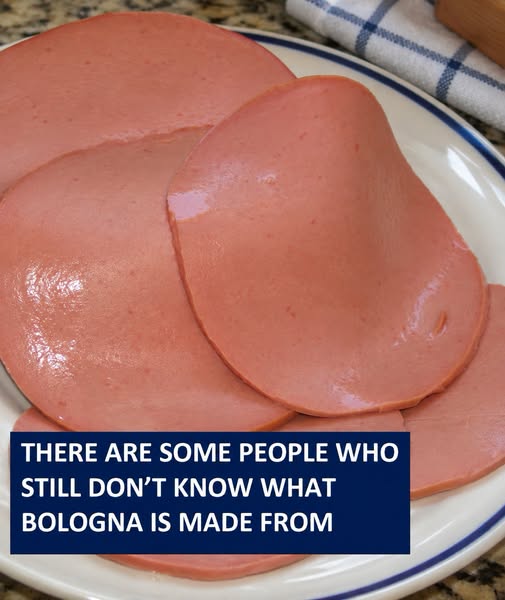
It’s packed into lunchboxes, layered between slices of cheap white bread, and pressed into those unmistakable neon-pink circles we’ve all seen before. We call it “junk food,” laugh about what might be inside, and yet generation after generation, we keep buying it.
But what if the story behind that perfectly smooth pink slice is far more fascinating—and far less mysterious—than the rumors suggest?
Bologna isn’t simply some random pile of “meat mush.” It’s actually a modern, highly regulated descendant of centuries-old sausage-making traditions. Depending on the brand, it can be made from beef, pork, chicken, or a combination of meats. These ingredients are finely ground and emulsified into a remarkably smooth mixture, seasoned with spices and other ingredients, then cooked and sometimes smoked inside natural or synthetic casings.
And those infamous stories about beaks, hooves, and mysterious scraps? The reality is considerably less dramatic. In modern mass-produced bologna, regulations, manufacturing standards, and consumer demand generally mean the product is made primarily from conventional meat and fat—not the bizarre collection of animal leftovers that urban legends would have you believe.
To understand where bologna really comes from, look to its Italian ancestor: mortadella.
Originating in Bologna, Italy, mortadella is a celebrated sausage rather than a punchline. It is traditionally recognizable by its smooth meat mixture studded with cubes of fat, along with ingredients such as black peppercorns and, in some versions, pistachios.
American bologna took that old-world tradition and transformed it for a very different purpose. Instead of showcasing visible pieces of fat and elaborate flavors, it became smoother, more uniform, affordable, and convenient—the perfect candidate for a quick sandwich.
So the next time you unwrap a slice of bologna, look beyond the pink color and childhood jokes.
It isn’t a health food. It is processed meat, designed for consistency, convenience, and affordability.
But it isn’t the mysterious monster hiding inside your lunchbox, either.
It’s a centuries-old sausage tradition—repackaged, simplified, and transformed into one of America’s most recognizable comfort foods.