
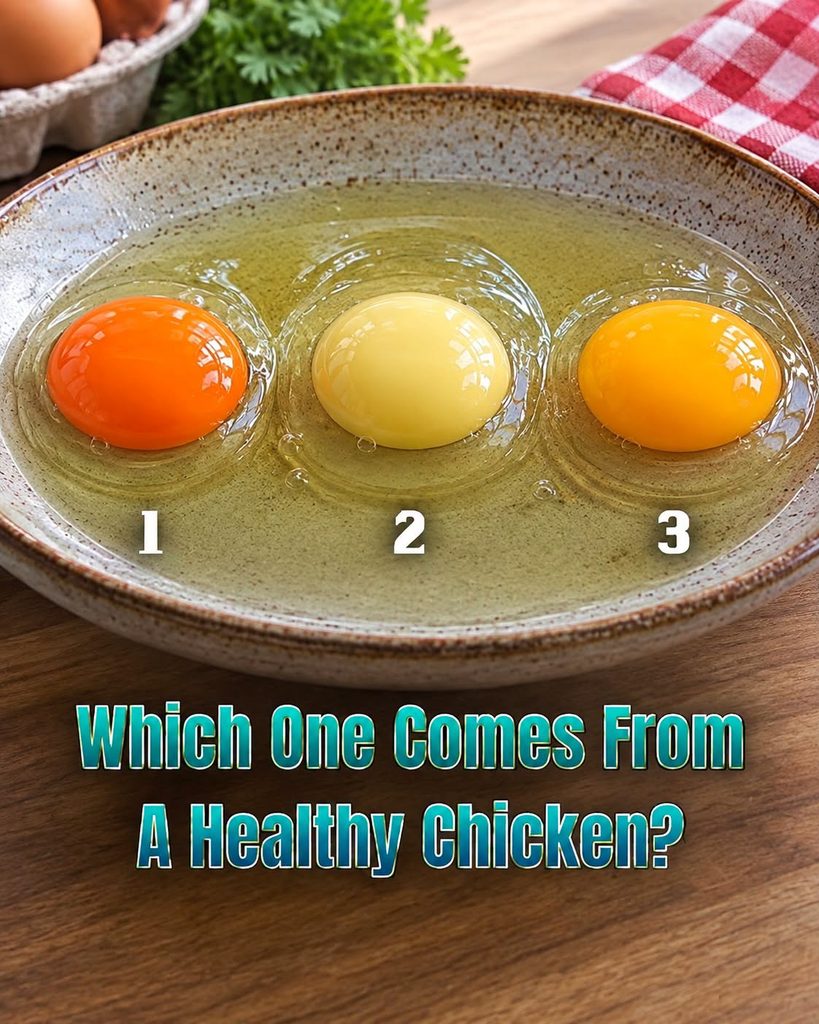
That stunning deep-orange egg yolk may look like a sign of a premium egg—but what if its color is telling you far less than you think? Many shoppers see a rich golden yolk and immediately assume it means better nutrition, healthier hens, or higher quality. But before you spend extra on the carton with the brightest yolks, there’s a surprising detail you should know: the color often starts with what the hen eats.
An egg yolk gets much of its color from pigments called carotenoids, which naturally occur in foods such as grass, alfalfa, and marigold petals. Certain feed ingredients and additives can also intensify the color, creating that dramatic orange appearance consumers often associate with premium eggs.
But here’s where things get interesting: a darker yolk does not automatically mean a healthier egg. A pale yellow yolk isn’t necessarily inferior, and an intensely orange yolk isn’t proof of superior nutrition or better farming conditions. The color can reveal something about the hen’s diet, but it can’t tell the entire story.
Both pale and richly colored yolks can provide valuable nutrients, including protein, vitamin B12, vitamin D, selenium, and choline, although nutrient levels can vary depending on several factors. That’s why the information on the carton, production practices, freshness, storage, and proper food handling can matter much more than the shade of the yolk itself.
So the next time you crack open a beautifully orange egg, enjoy it—but don’t let its color convince you that you’re automatically getting something better. A beautiful yolk can be appealing, but appearance alone shouldn’t determine what you pay. Sometimes, the most important things about an egg are the ones you simply can’t see.